{
“title”: “The Architecture of Power: How Built Environments Shape Political Will”,
“meta_description”: “Architecture is more than aesthetics; it is a mechanism of control and influence. Learn how physical design dictates political outcomes and strategic dominance.”,
“tags”: [“political architecture”, “urban design”, “leadership strategy”, “spatial politics”, “strategic environment”, “power dynamics”],
“categories”: [“Geo Politics”, “Civics and Government”],
“body”: “
The Physicality of Political Influence
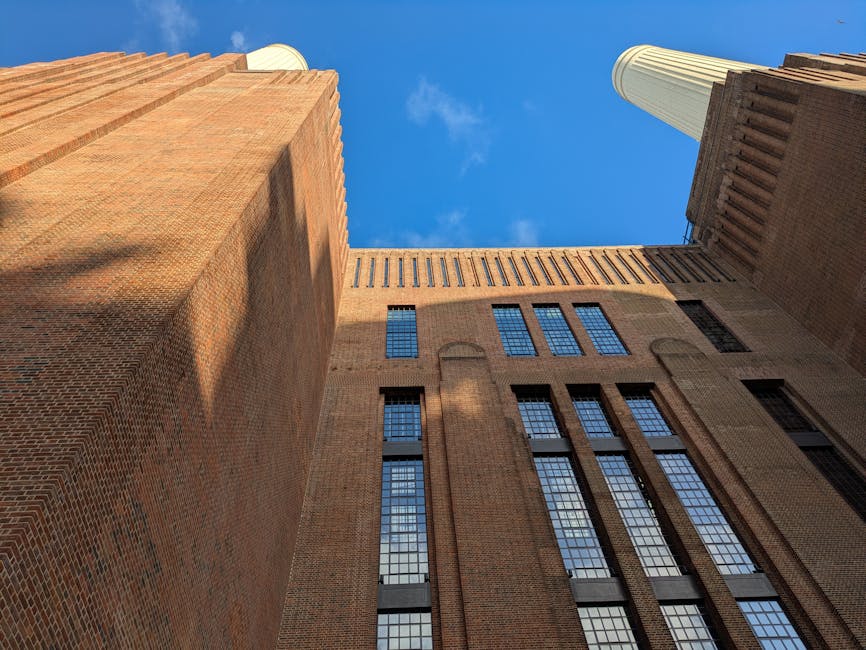
Buildings are not merely shelters for political activity; they are silent participants in the strategy of governance. Every marble column, wide boulevard, and elevated dais exists to project specific power dynamics. When leaders commission grand architecture, they are not simply choosing an aesthetic; they are installing an operating system for the public consciousness. A space dictates movement, dictates proximity, and ultimately, dictates the feeling of agency among those who inhabit it.
The Architecture of Surveillance and Stature
Modern political headquarters and civic plazas rely on the psychology of scale. High-performance organizations often misunderstand this, prioritizing function over the operational design of their environment. In politics, the design choice to elevate a speaker or restrict the path of a citizen is a decision-making tool. It is the physical manifestation of hierarchy. By narrowing corridors or mandating specific ingress points, governments control the flow of dissent and the speed of interaction.
The Panopticon in Urban Planning
Historically, the design of civic spaces has frequently drawn from the Panopticon model. When the citizen feels observed, they self-regulate. This creates an environment where the architecture does the heavy lifting of law enforcement before a single word is spoken. Leaders who understand this recognize that the physical layout of a city or a government building acts as a proxy for their own leadership authority.
Spatial Leverage and Decision-Making
Architecture provides a form of leverage that few political actors fully exploit. The arrangement of a boardroom or a parliamentary chamber determines the potential for compromise or conflict. Round tables encourage consensus; long, rectangular tables solidify top-down hierarchy. Those who manage the systems of their physical environment gain a decisive advantage. The ability to control spatial flow is the ability to frame the discourse.
Operationalizing the Built Environment
When businesses or governments fail to account for spatial impact, they surrender a critical component of their decision-making framework. A poorly designed environment creates drag on human performance. Just as a highly productive workspace influences the outcome of a tech team, the architecture of a capital city influences the outcome of its policies. It is a feedback loop: design shapes behavior, and behavior shapes the political environment.
Beyond the Aesthetics
If you want to understand the true intent of a regime or an organization, look at what they build. Do they build walls that create silos, or glass atriums that suggest transparency? The architecture is the truth behind the rhetoric. For leaders at The BossMind, the takeaway is clear: physical space is a strategic asset. Neglecting the structural nuances of where and how your team or your citizens interact is a failure of vision. To lead is to construct the arena in which your objectives can succeed.
”
}




Leave a Reply